
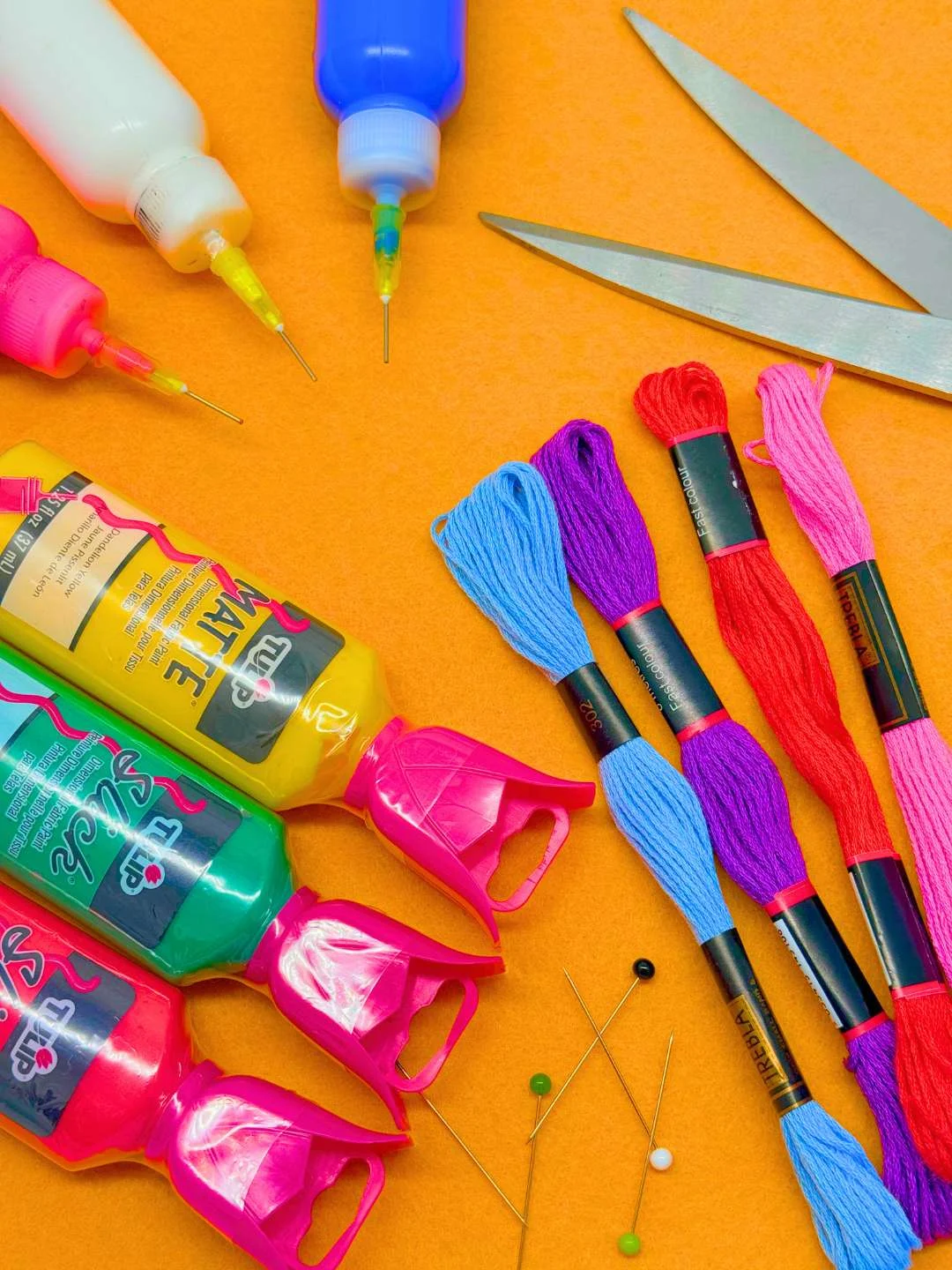
Materials and Equipment We Use to Make Handmade Felt Art
Every felt piece we make at Sew Your Soul, from the smallest baked bean to GIANT versions of candy, starts the same way: at the workbench, surrounded by tools and materials we use on a daily basis. From scissors to felt, threads, and paints, each item plays an important role in bringing Lucy’s handmade felt art to life.
Take a closer look at the materials and equipment we rely on daily – the practical, well-loved tools behind every finished piece you see on our website and at Lucy’s immersive installations.
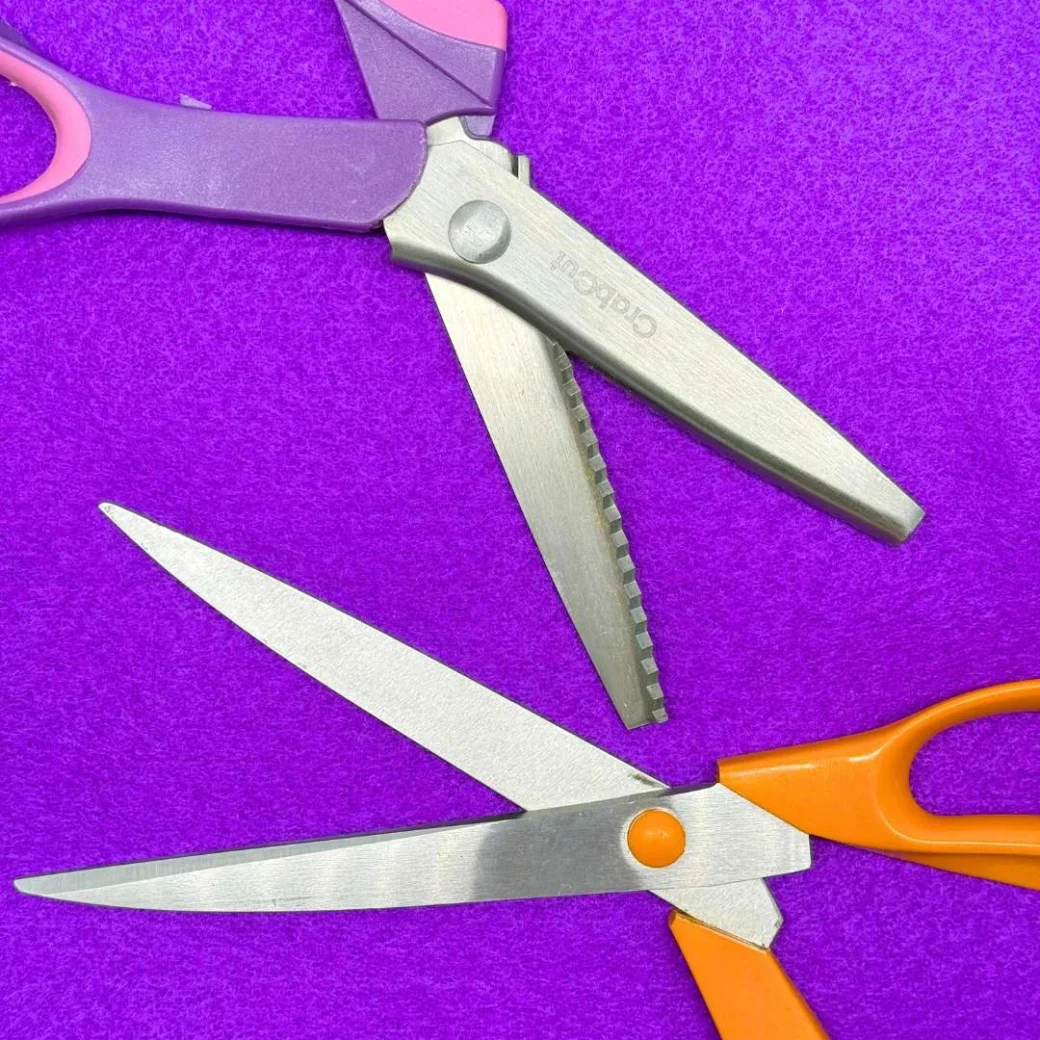
Scissors: Small but Essential
A good pair of scissors is one of the most important tools in our studio. We use a couple of different types depending on the job at hand:
-
Fabric scissors reserved only for felt to keep edges clean and sharp
-
Pinking shears for creating zigzag/scallop edges on felt pieces that need it
Felt Tip: Keeping scissors sharp (and used only for fabric) makes a big difference to the final finish of each piece.

Cutting Machines: Boris and Bertha
Alongside hand cutting, we also use our fabric cutting machines (shoutout Boris and Bertha) to help with consistency, especially when producing multiple pieces. Boris and Bertha are especially useful for:
-
Repeating shapes
-
Keeping proportions consistent
-
Speeding up prep without sacrificing quality
Even with the machines, each piece still requires hand assembly, stitching, stuffing, and painting — no two artworks ever turn out exactly the same. Your felt piece is unique to you.
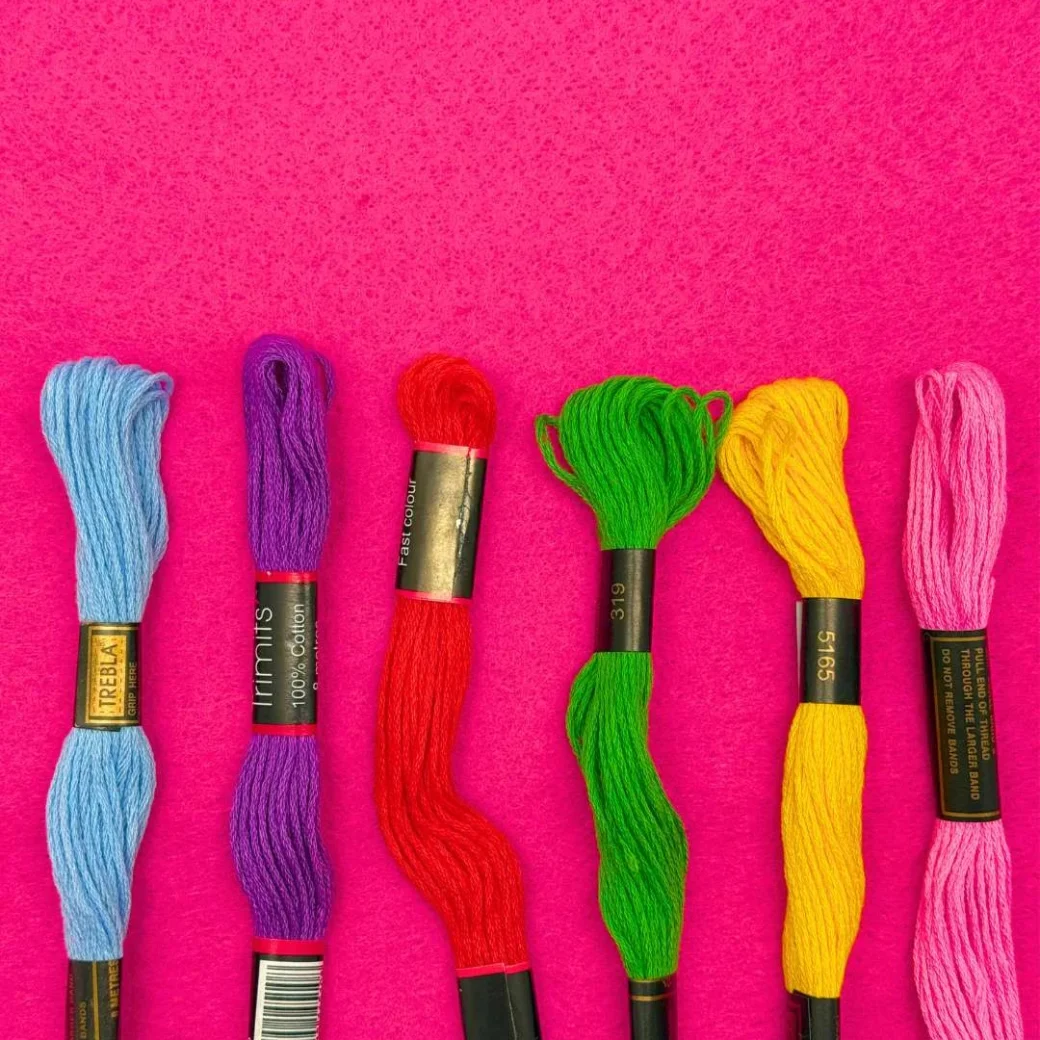
Thread: Strength is Key
We have an abundance of different coloured threads in the studio. We use strong, high-quality threads that can handle stitching felt securely while blending seamlessly into the piece.
-
Colour matching is key — we often test several shades
-
Durability matters, especially for sculptural details
-
Stitching is part of the design, not something to hide!
Good thread allows the felt to hold its shape while keeping everything neat and long-lasting.
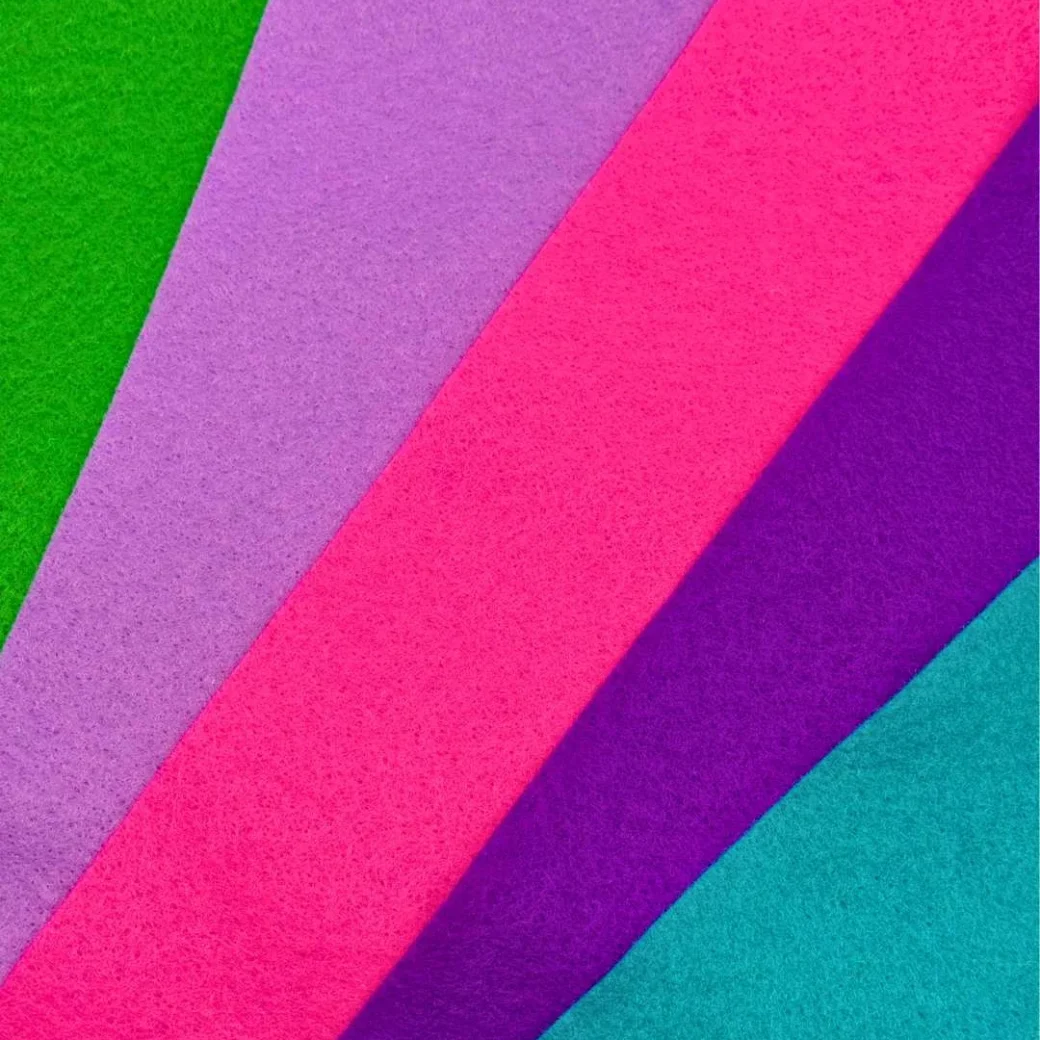
Felt : The Foundation of Everything
Felt fabric is at the heart of Lucy’s work, it’s the life and soul of Sew Your Soul. She’s been using the material ever since she was young. We choose felt that holds its shape, takes paint well, and keeps colours vibrant over time.
What we look for in felt fabric:
-
Dense enough to sculpt – tick
-
Soft enough to stitch by hand -tick
-
Consistent colour throughout – tick
Each design starts with selecting the right felt shades — sometimes the smallest colour difference can completely change the feel of a piece.
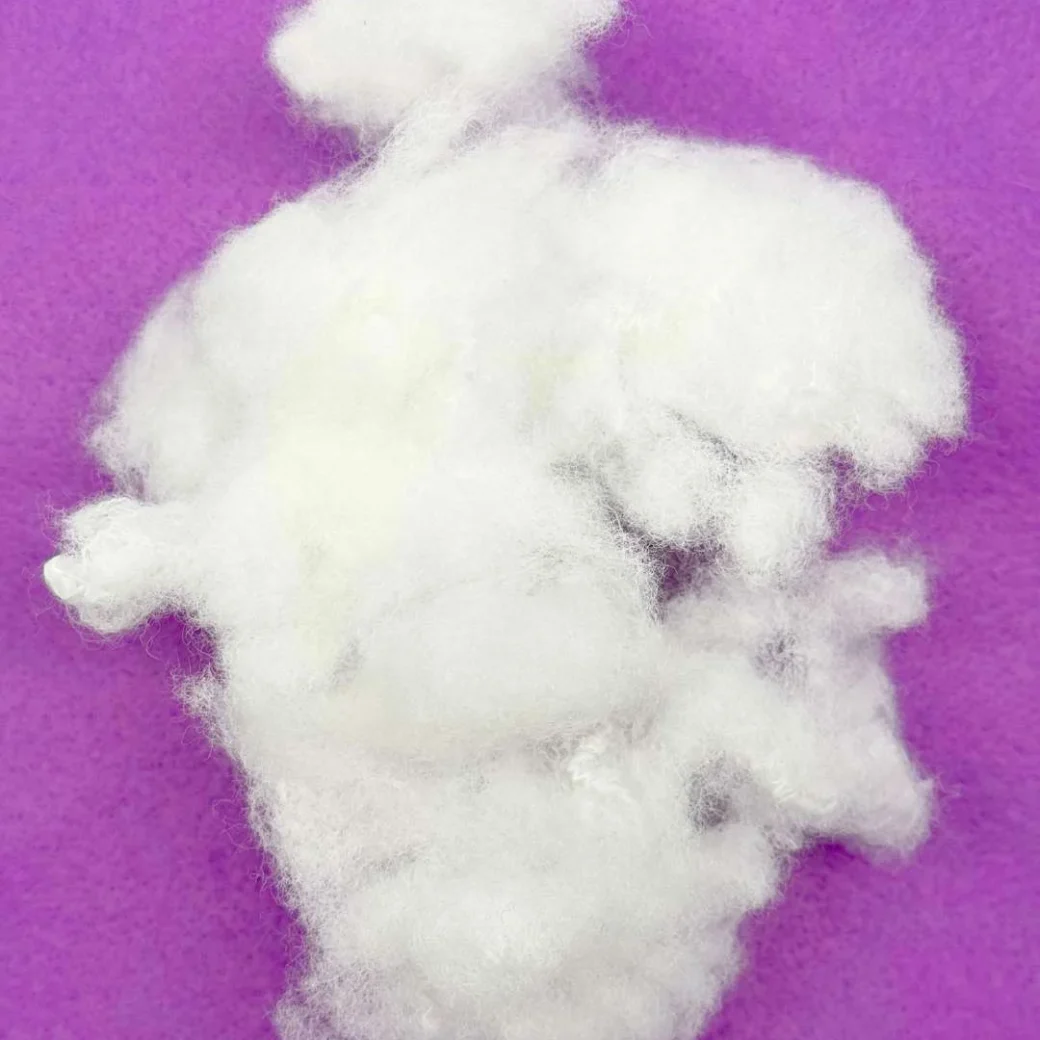
Floof: So soft
Floof (or stuffing) is what gives each felt object its personality and structure. We use soft stuffing that allows us to form each piece carefully by hand.
The way a piece is stuffed affects:
-
Its shape
-
How it sits or stands
This stage is always done intentionally — it’s where flat felt begins to feel like an object.
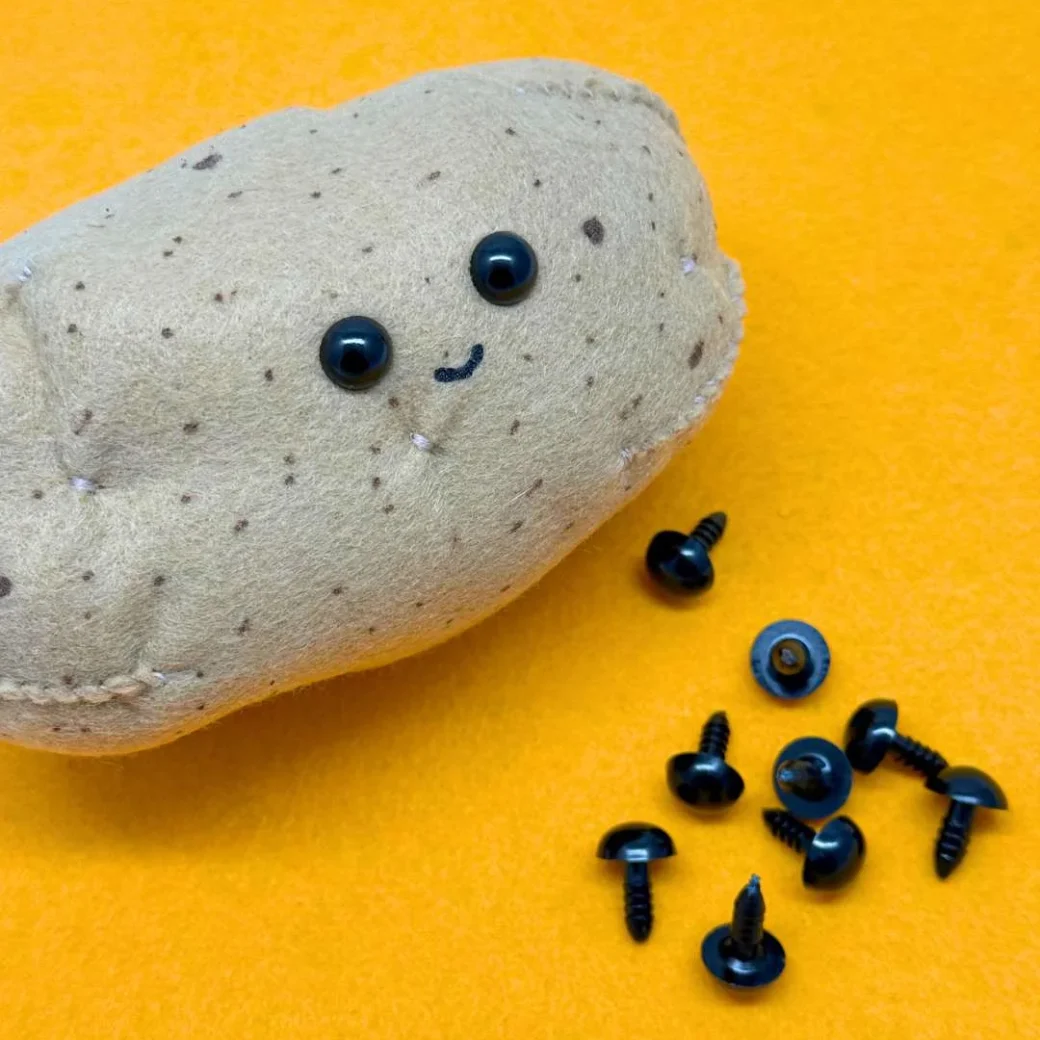
Plastic Eyes: Bringing Pieces to Life
For pieces with smiles, plastic eyes are the finishing touch that brings the felt to life – let their be sight! Choosing the right size of eyes and placement makes a huge difference as well.
-
Too big and its eyes look googly
-
Too small and the personality gets lost
They’re added during the sewing stage, when the character of the piece is taking shape.
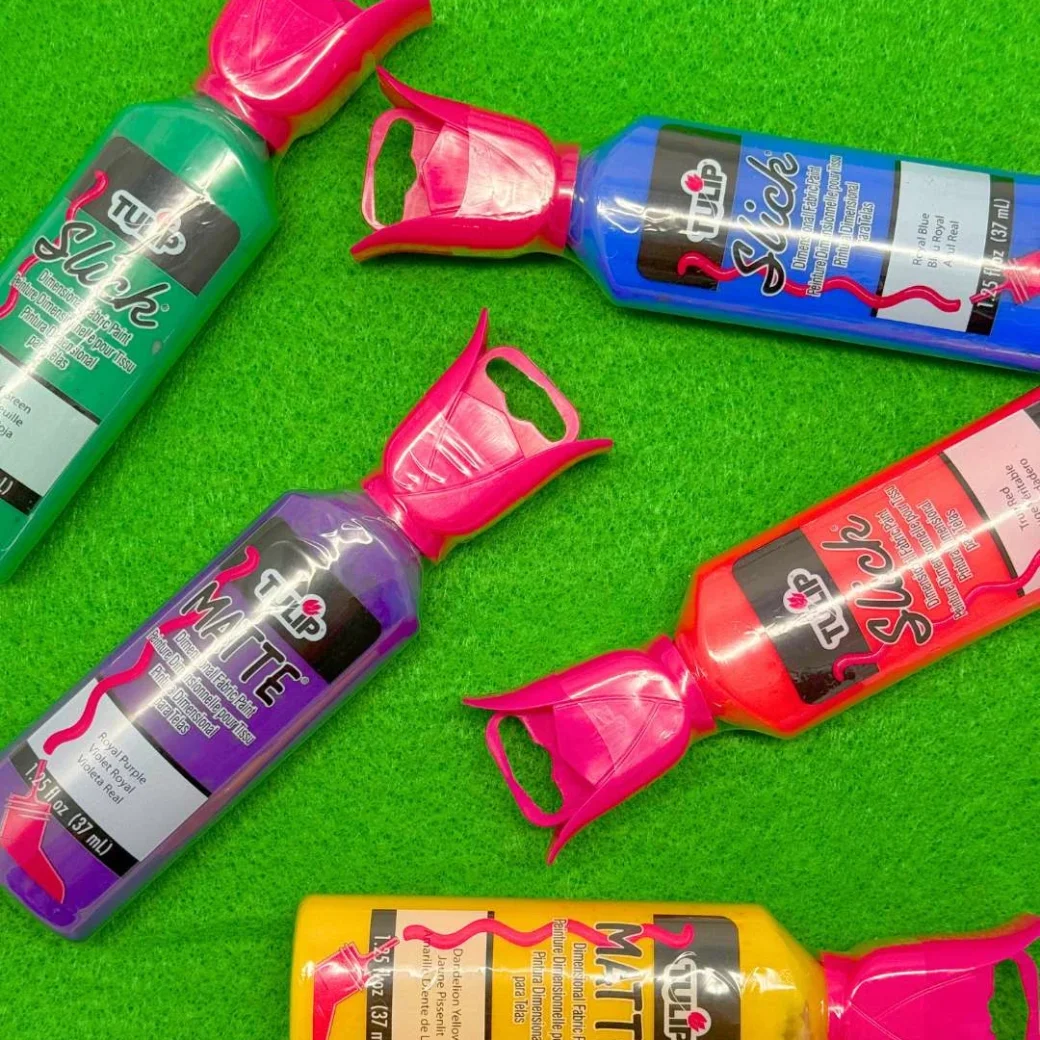
Fabric Paints: Vibrant Colour
Fabric paint is what adds depth, shading, and those tiny details that make each felt piece feel realistic and nostalgic. Lucy’s favourite brand to use is Tulip Colour Crafts!
We use fabric paints to:
-
Add smiles
-
Add font and packaging details
Painting is always done by hand by Lucy, which means every piece ends up slightly different — just how we like it.
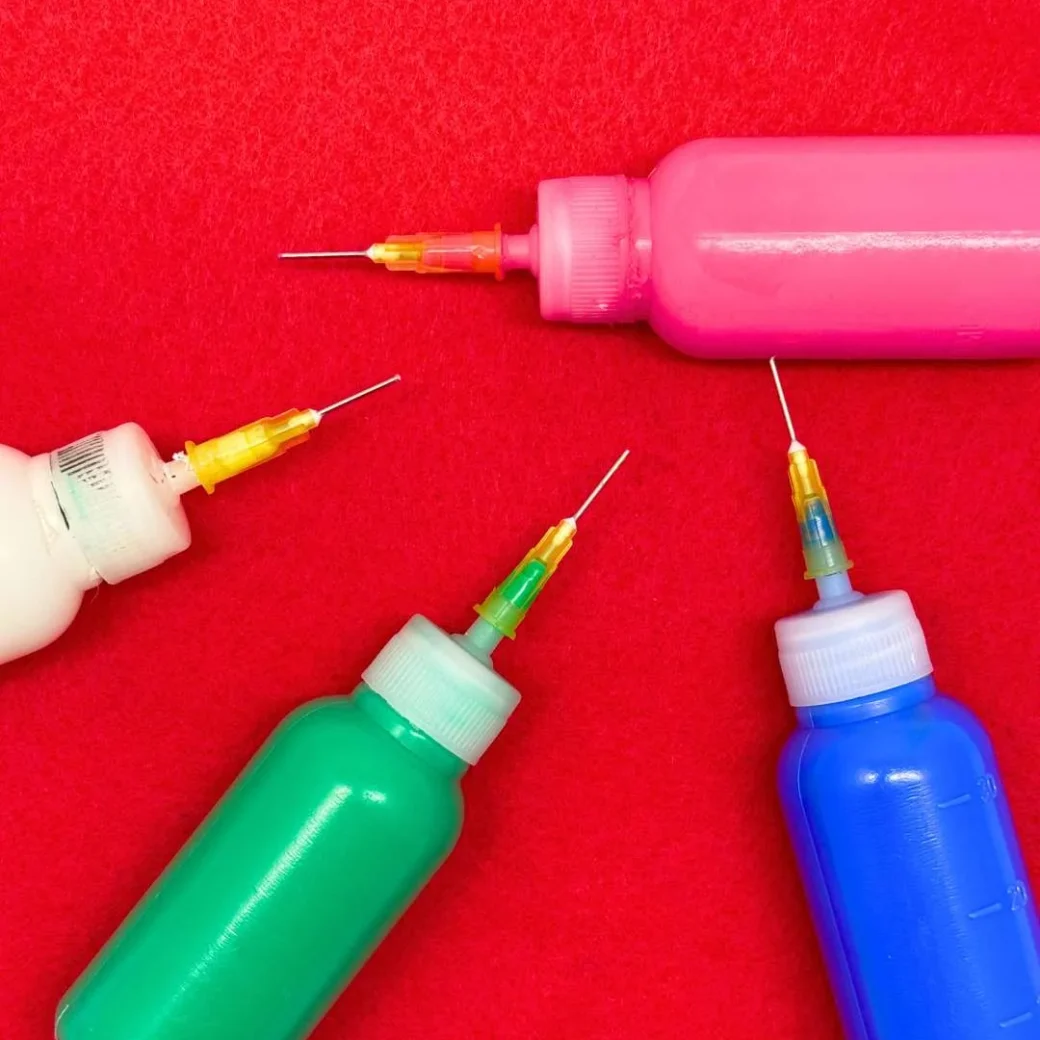
Painting Nibs: The Tiny Details Matter
For painted details, we rely on a range of fine nibs rather than the Tulip paints alone. These help Lucy control fine lines, drawings, and lettering, especially on small-scale pieces like candy or labels.
These tools allow for:
-
Clean, controlled lines
-
Layered details
-
Precision at a very small scale
Why Materials Matter
Every tool and material we use has been chosen through trial, error, and years of making. They allow us to work carefully and consistently whilst still maintaining the large volume of work that needs to be done each day. When you see one of Lucy’s felt pieces, you’re seeing the result of all these materials working together.
Posted on
Share


